
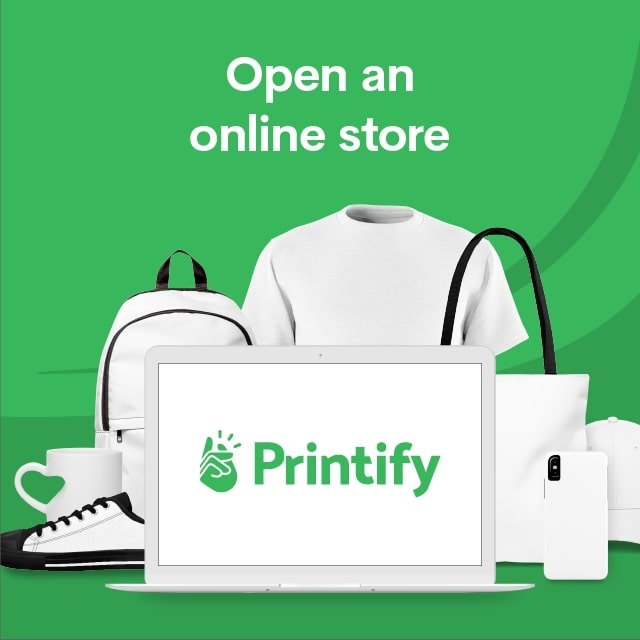
Printify: Turn Your Designs Into Products Without Holding Inventory
Have you ever had an idea for a T-shirt, hoodie, mug, phone case or other product but didn’t know how to manufacture and sell it?
You don’t necessarily need your own factory, warehouse or large inventory.
That’s where print-on-demand comes in.
Print-on-demand allows you to create your own designs and place them on products. When someone purchases the product, it can be produced and shipped through a print-on-demand provider.
One of the platforms that makes this process possible is Printify.
Printify provides access to a large catalog of products that creators can customise with their own designs and sell through supported ecommerce platforms.
For designers, entrepreneurs, bloggers and people interested in starting an online business, this can be an interesting way to turn creativity into a potential income stream.
Affiliate Disclosure: This article may contain affiliate links. If you purchase a product or service through one of our links, Digital Success Hub may earn a commission at no additional cost to you.
What Is Printify?
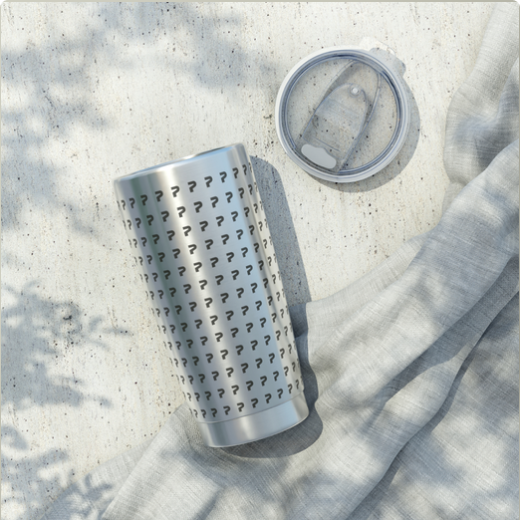
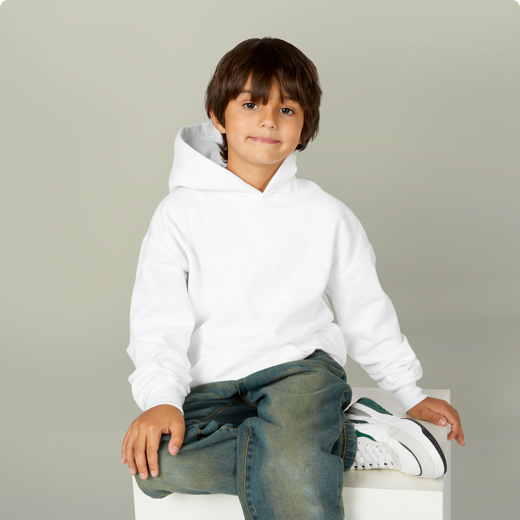
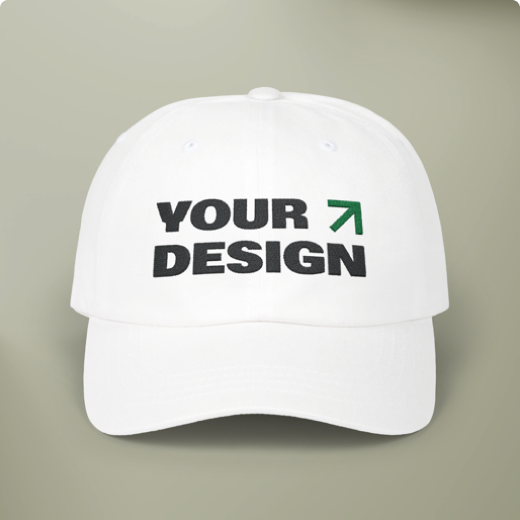
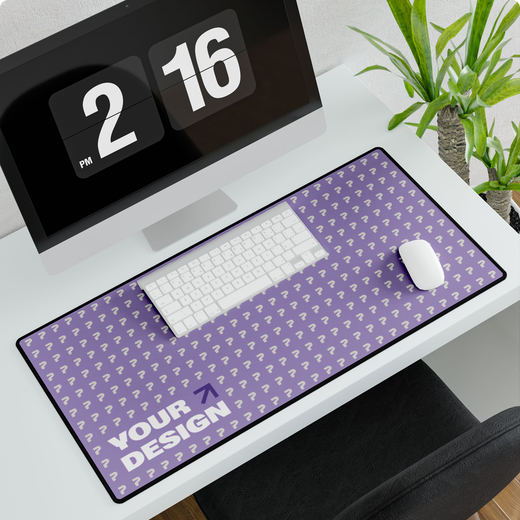
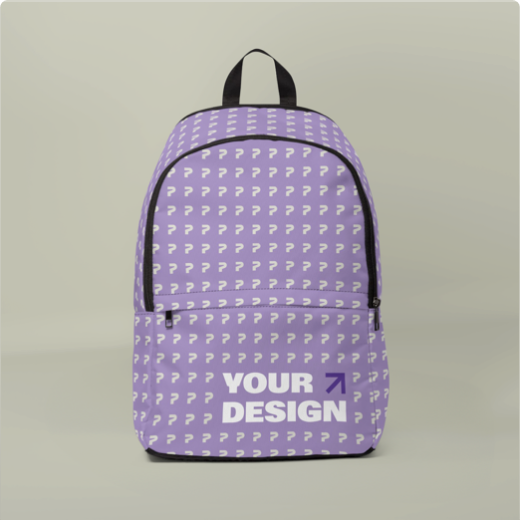
Printify is a print-on-demand platform that allows users to create customised products and sell them online.
Instead of buying hundreds of T-shirts upfront, you can create a design, place it on a product using Printify’s platform, and connect your products to supported sales channels.
When a customer orders a product, the order can be sent to a Printify print provider for production and fulfilment.
This means you can focus more on:
- Designing
- Marketing
- Building your brand
- Creating products
- Finding customers
rather than keeping a warehouse full of stock.
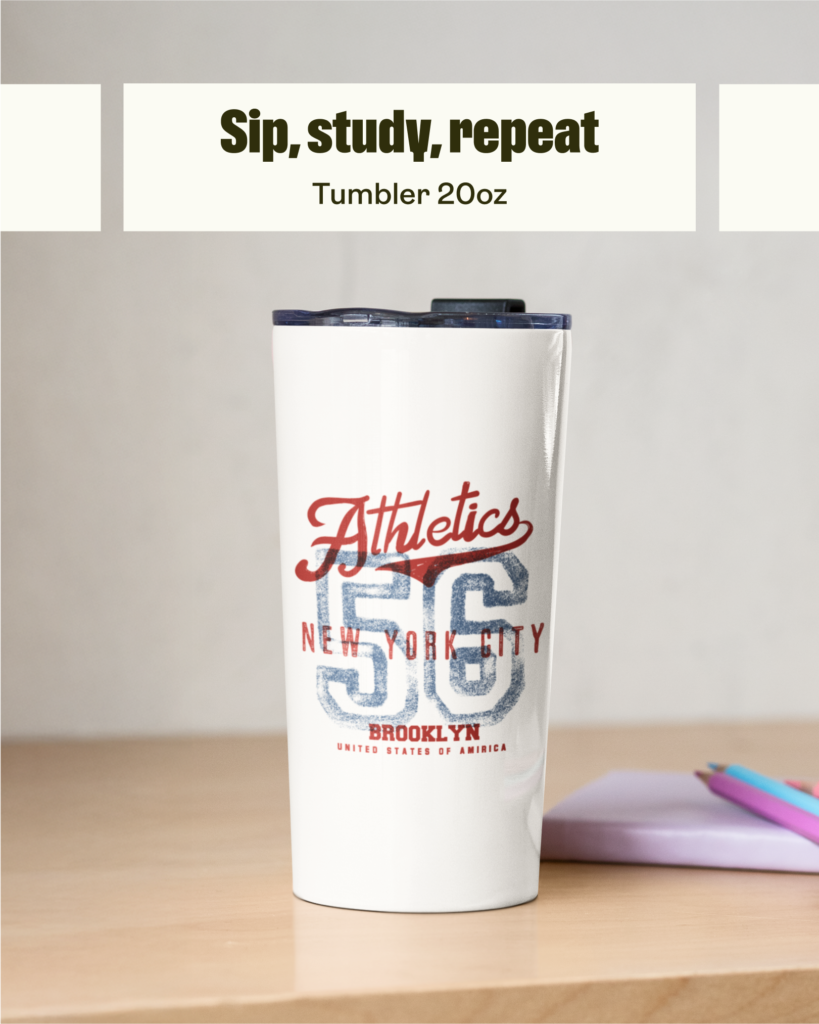
How Does Print-on-Demand Work?
The basic process is surprisingly simple.
Step 1: Create a Design
You create artwork for your product.
For example:
“Dream Big”
or a more sophisticated graphic design.
You can create your artwork using tools such as Photoshop, Illustrator, Canva or other design software.
Step 2: Choose a Product
You select a product from the Printify catalog.
Depending on current availability, this can include products such as:
- T-shirts
- Hoodies
- Sweatshirts
- Mugs
- Bags
- Hats
- Phone cases
- Home products
- Accessories
- Other customised products
The available products and print providers can change over time.
Step 3: Add Your Design
You upload your artwork and place it on the product using Printify’s product design tools.
You can see how your design may look on the finished product before publishing it.
This is particularly useful because you can experiment with:
- Placement
- Size
- Colours
- Product variations
- Different designs
Step 4: Create Your Product Listing
Once you’re happy with your design, you can create the product listing and add information such as:
- Product title
- Description
- Images
- Pricing
- Product variations
Your product can then be made available through your connected sales channel.
Step 5: Customer Places an Order
Someone discovers your product and places an order.
You don’t necessarily have to keep the product sitting in your house waiting for a customer.
The print-on-demand process handles production and fulfilment according to the service and provider selected.
Why Printify Is Interesting for Designers
This is where Printify becomes particularly interesting for graphic designers.
Imagine you’re a designer who creates:
T-shirt artwork
You could turn your artwork into a clothing collection.
Typography designs
You could create motivational or humorous products.
Illustrations
You could place your artwork on multiple products.
Business branding
You could create branded merchandise.
Niche designs
You could create products specifically for particular communities and interests.
Instead of selling only the digital artwork, you can potentially turn that artwork into physical products.
You Don’t Need to Be a Professional Designer
One of the interesting things about print-on-demand is that you don’t necessarily need to be an experienced graphic designer.
Beginners can start with relatively simple designs.
For example:
“STAY FOCUSED”
with a clean typography layout could become a T-shirt design.
However, competition in print-on-demand is significant, so simply putting generic words on products isn’t necessarily enough.
The real opportunity is creating designs that appeal to a specific audience or niche.
Find a Niche Before Creating Products
This is one of the biggest mistakes beginners make.
They create 100 random designs and hope something sells.
A better approach is:
Choose an audience → Understand what they like → Create products specifically for them.
For example:
Fitness
Create designs for gym enthusiasts.
Travel
Create products for travellers.
Pets
Create designs for dog or cat owners.
Gaming
Create products aimed at gamers.
Business
Create products for entrepreneurs.
Teachers
Create products specifically for educators.
Technology
Create designs for developers, designers and technology enthusiasts.
The narrower your initial audience, the easier it can be to develop a recognizable product collection.
Printify and Your Graphic Design Skills
This is particularly relevant to someone interested in graphic design.
Instead of creating one design and using it once, you can build an entire collection.
For example, imagine creating a brand called:
DIGITAL CREATOR
You could create:
- 10 T-shirts
- 5 hoodies
- 5 mugs
- 5 phone cases
- 5 bags
using a consistent visual identity.
Now you’re not just selling one product.
You’re building a brand.
Use Mockups to Present Your Designs
One of the most important parts of selling products online is presentation.
People don’t simply buy a design.
They buy the idea of themselves using the product.
Instead of showing your design on a blank T-shirt, imagine showing it on:
- A person wearing it
- A modern desk
- A coffee shop
- A gym
- A street environment
- A travel environment
Good product presentation can make your designs look much more professional.
AI Can Help With Print-on-Demand
This is another area where Digital Success Hub can add value.
AI can help with the creative process.
For example, you can use AI to brainstorm:
Product ideas
Give me 30 T-shirt design ideas for people interested in digital marketing.
Niche research
Give me 20 print-on-demand niches with strong product potential.
Slogans
Give me 50 short motivational phrases suitable for T-shirts.
Product descriptions
Write an ecommerce product description for a minimalist entrepreneur T-shirt.
Marketing
Create 10 Facebook ad ideas for a new T-shirt brand.
The important thing is to use AI as a creative assistant, rather than simply generating thousands of generic designs.
Printify + WordPress
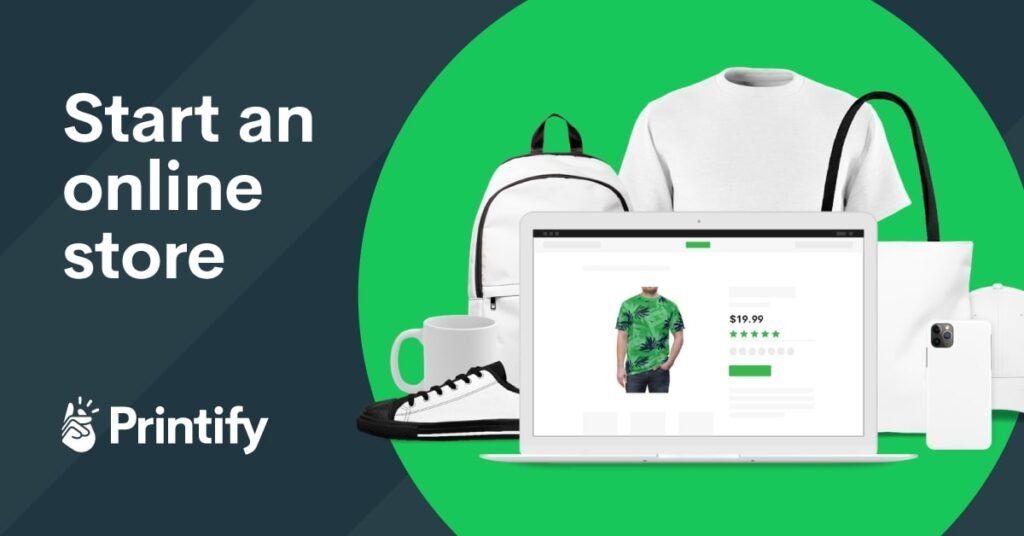
You can also build a website around your print-on-demand business.
For example, you could use:
WordPress + WooCommerce + Printify
to create an online store.
Your website could have:
- Home
- Shop
- About
- Contact
- Blog
- Collections
- FAQ
Then you can use SEO to attract people searching for your products.
This creates an interesting combination:
Website + SEO + Design + Print-on-Demand
Printify + Ecommerce
Printify can also fit into a broader ecommerce strategy.
Instead of depending entirely on one traffic source, you can potentially combine:
SEO traffic.
YouTube
Product videos and tutorials.
Organic posts and advertising.
Visual product promotion.
Product discovery.
Building a customer audience.
The goal is to create several ways for potential customers to discover your products.

How Much Money Can You Make?
This is where you need to be realistic.
Print-on-demand isn’t automatically a way to make easy money.
Your potential profit depends on factors such as:
- Product cost
- Selling price
- Shipping
- Platform fees
- Advertising costs
- Taxes
- Refunds
- Payment processing
- Your marketing
- Competition
For example, if your total costs are £15 and you sell a product for £30, your gross difference is £15 before other applicable expenses.
That doesn’t mean you automatically make £15 profit.
You need to calculate all costs.
Advantages of Printify
✅ No need to buy large amounts of inventory
You can build products without purchasing a huge quantity upfront.
✅ Large product selection
You can experiment with different types of products.
✅ Great for designers
Your artwork can be transformed into physical products.
✅ Can be operated online
You can manage much of the business digitally.
✅ Scalable concept
You can potentially add more designs and products as your business grows.
✅ Good for experimentation
You can test different niches and product ideas.
Disadvantages to Consider
Print-on-demand isn’t perfect.
❌ Competition
There are many sellers competing for customers.
❌ Marketing is still your responsibility
Creating a product doesn’t automatically bring customers.
❌ Profit margins can vary
You need to carefully calculate your costs.
❌ Product quality can vary
Different products and fulfilment providers may produce different results, so ordering samples can be useful.
❌ Some niches are highly competitive
Generic designs can be difficult to stand out with.
Is Printify Worth Trying?
If you’re interested in:
- Graphic design
- Ecommerce
- Online business
- Print-on-demand
- Creating your own brand
- Selling customised products
Printify is certainly worth investigating.
The platform removes some of the traditional barriers associated with manufacturing and inventory, allowing creators to focus more heavily on design, branding and marketing.
But remember:

Printify doesn’t build the business for you.
You still need to find an audience.
You still need good designs.
You still need marketing.
And most importantly, you need to give people a reason to buy.
How Digital Success Hub Would Approach It
At Digital Success Hub, we believe the strongest opportunity isn’t simply:
“Upload a T-shirt and wait for sales.”
Instead:
Research
Find a specific audience.
↓
Create
Design products specifically for that audience.
↓
Build
Create a recognizable brand.
↓
Publish
Create your online store.
↓
Promote
Use SEO, social media, YouTube and advertising.
↓
Improve
Study what customers respond to and improve your products.
That’s a much stronger long-term approach.
Final Thoughts
Print-on-demand has opened the door for designers and entrepreneurs to create physical products without having to build a traditional manufacturing operation.
Printify is one platform that can help facilitate this process.
If you already have graphic design skills, the opportunity becomes even more interesting because you can combine:
Design + Branding + Ecommerce + SEO + Digital Marketing + AI
And that’s exactly the type of digital business model we want to explore here at Digital Success Hub.
Your idea doesn’t have to remain on your computer. You can turn your creativity into something people can actually buy.
Frequently Asked Questions
What is Printify?
Printify is a print-on-demand platform that allows creators and businesses to customise products and sell them online.
Do I need inventory to use Printify?
Print-on-demand allows you to create products without purchasing large quantities of inventory upfront.
Can I use my own designs?
Yes. Creating and uploading your own artwork is one of the main reasons designers use print-on-demand platforms.
What can I sell with Printify?
The available catalog changes, but Printify offers various customisable products including apparel, accessories, home products and other merchandise.
Can beginners use Printify?
Yes. The platform is designed to make the print-on-demand process accessible to people who may not have manufacturing experience.
Can I use AI to create designs?
AI can be used as part of the creative process, but you should carefully review the rights, licensing and commercial-use terms of whatever AI tools and assets you use.
Is Print-on-demand profitable?
It can be, but profitability depends on product costs, pricing, marketing, competition and other business expenses. There is no guaranteed income.
🚀 Ready to Explore Print-on-Demand?
If you’re interested in turning your designs into physical products, you can explore Printify’s current product catalog, design tools and selling options through its official website.
Affiliate disclosure: Digital Success Hub may earn a commission from qualifying purchases or referrals at no additional cost to you.